An SE Who Shows Up
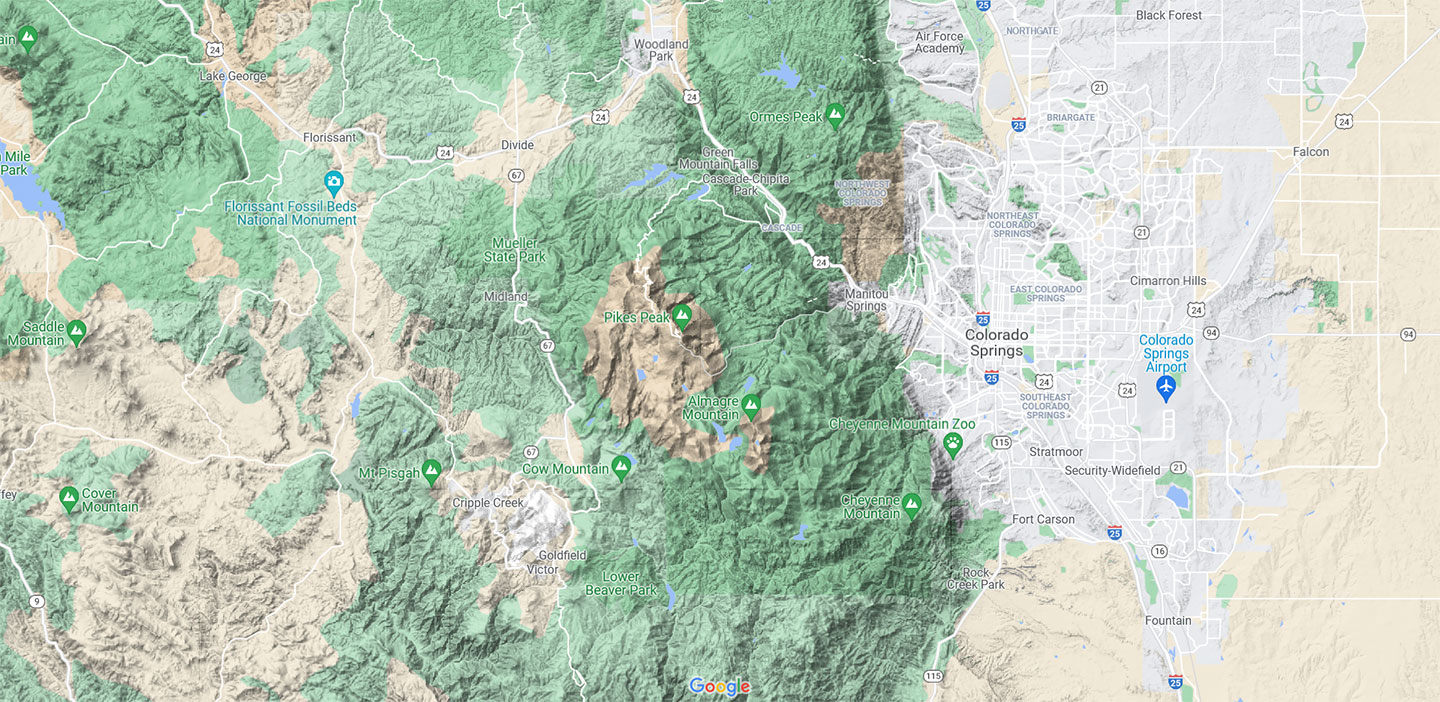
You need a structural engineer who communicates, hits your schedule, and doesn't disappear after permit. That's exactly what Frontier is built to be. We work with architects, contractors, and owners across Colorado — from Colorado Springs to Denver to the mountain communities — on commercial, residential, and mixed-use projects. Every project gets a licensed Colorado PE who picks up the phone, reviews submittals, and sees it through to closeout.
Not sure when to bring a structural engineer onto your project?
Why Construction Administration Matters →Colorado Structural Engineering
Designing new facilities to serve a growing state featuring activities, destinations, and opportunities.
Consultation
Frontier offers schematic design, peer review, and early engineering support before you commit to full design.
Commercial Building Design
Full structural engineering for new commercial buildings: office, retail, medical, mixed-use, and multi-family.
Construction Administration
Continued structural engineering support through construction: shop drawing review, RFIs, site observations, and structural letters.
Forensic Structural Engineering
Objective evaluations to understand what happened, why it happened, and a clear structural path forward.
Temporary Structures and Construction Support
Engineered shoring, falsework, and temporary bracing design to keep construction safe and on schedule.
Expert Witness
Credible, well-documented structural engineering opinions for litigation, arbitration, and insurance disputes.
Adaptive Reuse
Breathe new life into existing structures: transition older properties into modern, functional spaces with full structural support.
Latest Projects
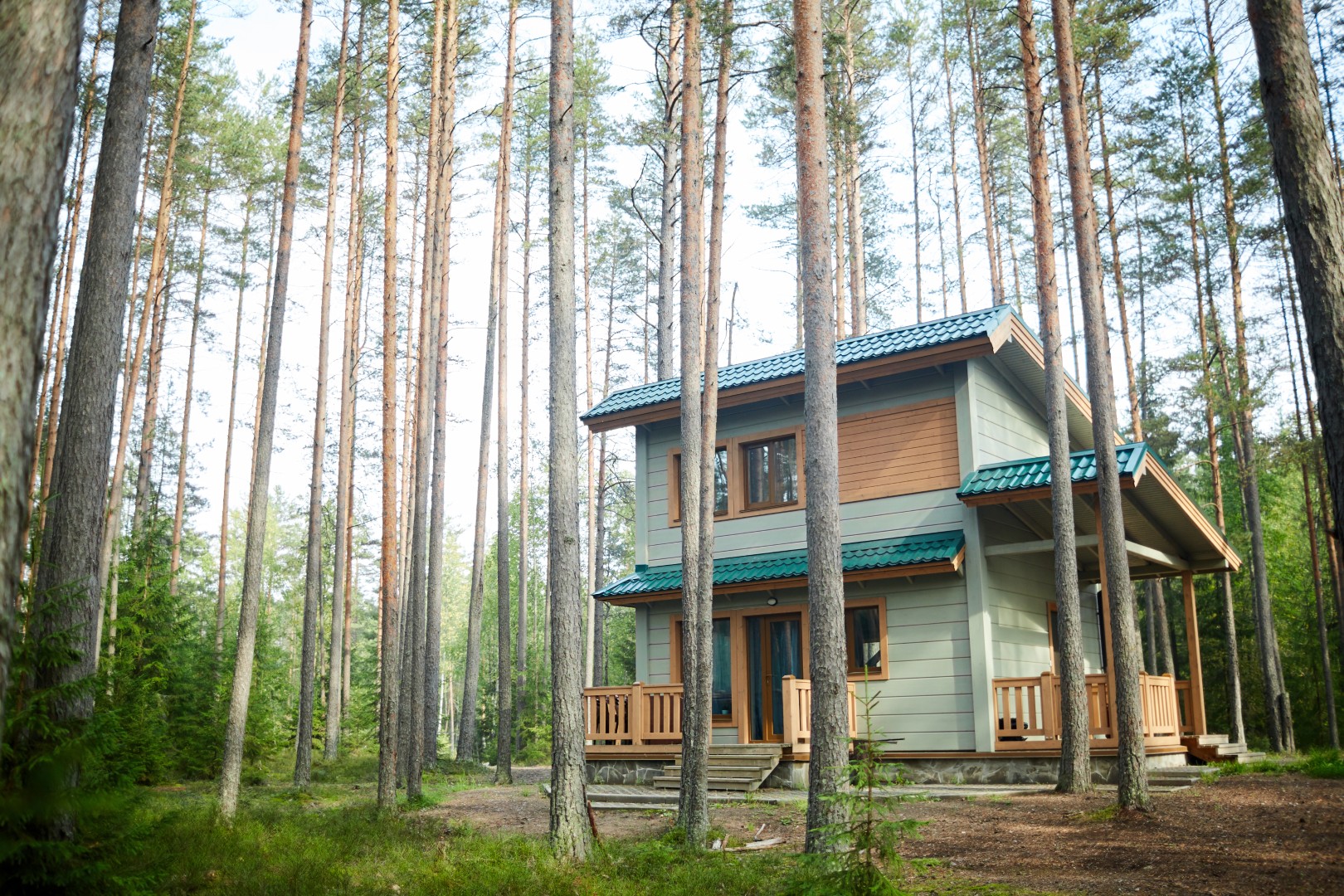
Residential · New Construction
Custom Build Residence
📍 Woodland Park, Colorado
Two-story custom home with vaulted ceiling and open loft, requiring non-traditional wind design including loft …
View Project →
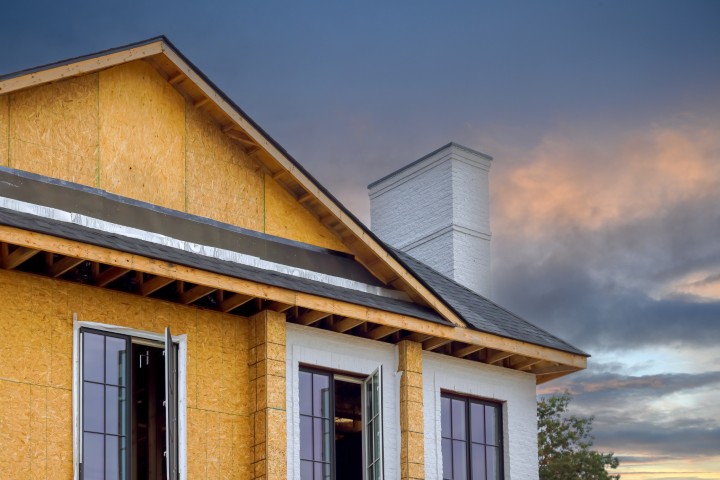
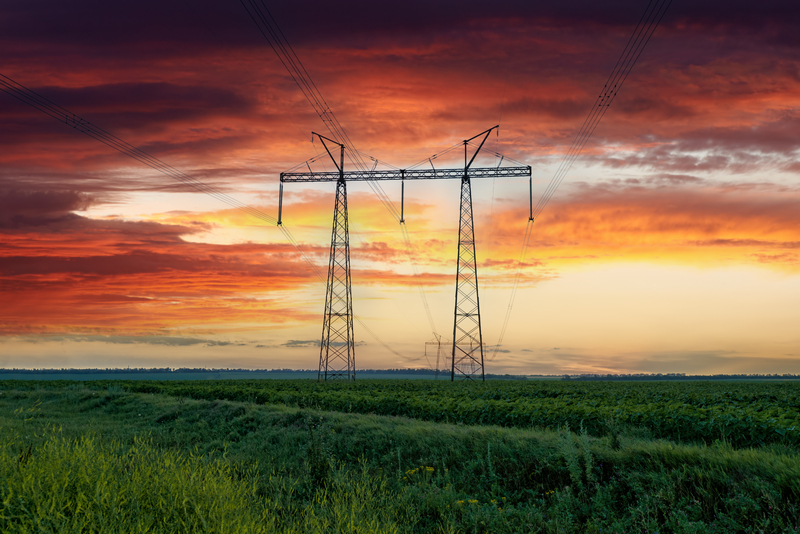
Steel Framing
Steel's high strength-to-weight ratio and ductility make it the material of choice for long spans, high-rises, and seismic design.
SteelOpen Web Steel Joists
Open web steel joists deliver long, economical spans for floor and roof systems while leaving open chases for mechanical, electrical, and plumbing runs.
SteelCold-Formed Steel
Cold-formed steel studs and track provide a lightweight, non-combustible framing system for load-bearing and non-load-bearing walls in commercial construction.
SteelMetal Decking
Corrugated steel deck is the standard platform for floor and roof construction in steel-framed buildings, serving as both a working platform and a structural diaphragm.
SteelConcrete over Metal Deck
Composite concrete-over-deck floor systems combine the speed of steel erection with the stiffness and mass of a concrete slab: the standard floor system for most commercial steel buildings.
concreteTimber Framing
Traditional timber framing techniques meet modern engineering to create structures of exceptional character and strength.
WoodWarm Interiors
Exposed timber structures create warm, inviting interiors that are increasingly sought after in commercial and residential design.
WoodCarbon Capture
Carbon capture and warm natural finishes make mass timber an attractive structural option growing rapidly in popularity.
WoodEngineered Wood Products
LVL headers, Wood I-Joists, PSL columns, and LSL rim boards extend the reach of wood framing with precision-manufactured members that outperform dimensional lumber for strength and consistency.
WoodMinimum Depth
Post-tensioned and reinforced concrete systems allow structural depth to be minimized, unlocking ceiling height and design flexibility.
ConcreteCast-in-Place Concrete
Cast-in-place concrete offers a monolithic, durable structural system for foundations, walls, and slabs: formed, reinforced, and poured on-site for site-specific performance.
ConcretePrecast Concrete
Precast concrete members are precision-cast off-site and erected with cranes, delivering consistent quality, rapid installation, and long-span capability for floors, parking structures, and facades.
ConcreteShotcrete
Shotcrete (concrete pneumatically applied at high velocity) conforms to any surface, making it ideal for retaining walls, pools, tunnels, and structural repairs without conventional formwork.
ConcreteMasonry
A very durable and low maintenance material depending on materials used, the quality of the mortar and workmanship, and the pattern in which the units are assembled.
masonryBrick Masonry
Fired clay brick is one of the oldest and most enduring building materials: dimensionally consistent, highly durable, and architecturally expressive in both structural and veneer applications.
masonryConcrete Masonry Unit (CMU)
CMU block walls are the most widely used masonry structural system in commercial construction: economical, fire-resistant, and readily reinforced for load-bearing and shear wall applications.
masonryReinforced Masonry
Reinforced masonry combines the compressive strength of masonry units with the tensile capacity of steel reinforcing: creating a composite structural system designed to TMS 402 for both gravity and lateral demands.
masonryExisting Materials
Mass stone, full-size dimensional lumber, 1x board sheathing, and other legacy materials define the existing building stock: evaluated, preserved, and upgraded under IEBC for renovation and adaptive reuse projects.
ExistingArticles
Structural Engineering Terms: A Plain-Language Glossary
Clear definitions of the structural engineering terms that come up most often in conversations between engineers, architects, contractors, and building owners.
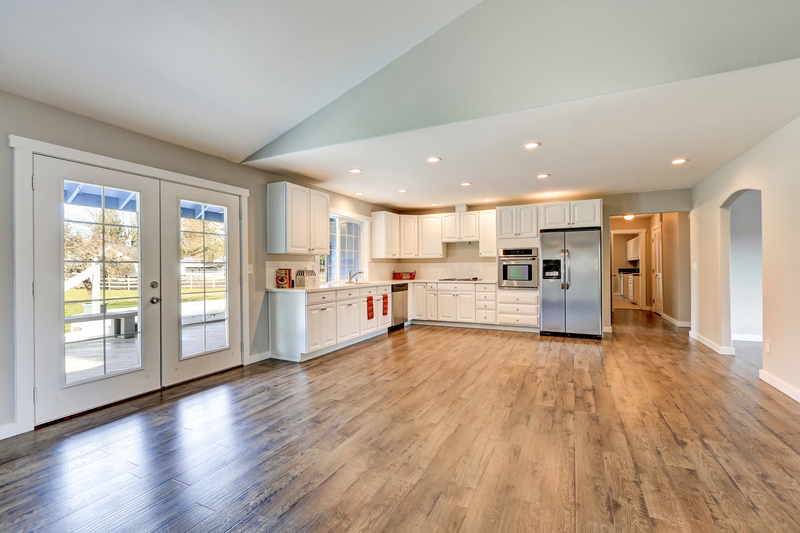
Structural Engineer for Home Additions in Colorado Springs
Adding space to your Colorado Springs home means structural engineering work: foundation review, framing design, and permit-ready drawings. Here is what the process looks like and what to expect.
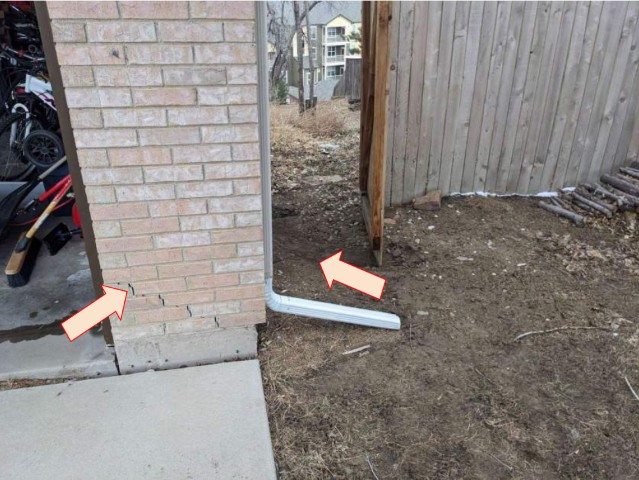
Do I Need a Structural Engineer? A Homeowner's Guide
Most homeowners are not sure when a structural engineer is required versus when a contractor or architect is enough. This guide explains the situations where a structural engineer is necessary, when one adds value even if not required, and how the process works.
Value Engineering Structural Systems Without Cutting Corners
Real value engineering finds structural savings through smarter design, not thinner margins of safety. The difference between the two requires an engineer who understands both the structure and the cost.
Call 719 247-2928
Ready to Start Your Project?
Tell us about your project — scope, location, timeline, team. We'll respond quickly and tell you how we can help.
Your project details are confidential and will never be shared.

Jon Talley, SE, PE
Founder & Principal Engineer
20 years of structural experience across California and Colorado.
Licensed SE and PE — commercial, forensic, adaptive reuse, expert witness.
Meet Jon →