Articles
Forensic Structural Engineering: When You Need an Expert and What to Expect
January 26, 2026
Forensic structural engineering is investigation work. When a building exhibits distress, a structure partially or fully fails, or a construction dispute requires technical evidence, a forensic structural engineer evaluates the condition, identifies the cause, and documents the findings. The work requires the same engineering knowledge as design, plus a different set of skills in documentation, objective analysis, and communication.
When Forensic Structural Engineering Is Needed
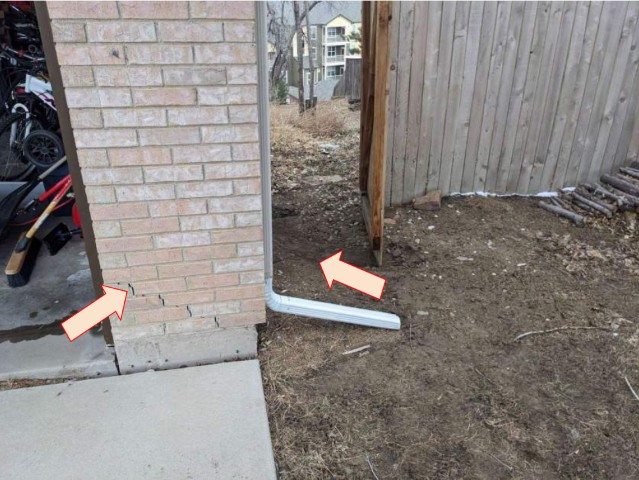
Structural distress. Cracks in concrete or masonry, deflections that exceed expected values, settlement that appears non-uniform, or any condition where the structural behavior of a building is in question may warrant forensic investigation. The investigation determines whether the distress is cosmetic (common in concrete and masonry due to normal shrinkage and temperature movement) or structurally significant.
Partial or full structural failure. Collapse, significant overstress, or failure of structural elements requires immediate investigation. The forensic engineer documents the failure, identifies the cause (design error, construction deficiency, overload, inadequate maintenance, or some combination), and evaluates remaining structural capacity.
Construction disputes. When a contractor and owner or design team disagree about whether structural work was performed correctly, a forensic SE can evaluate the physical evidence and provide an independent technical opinion. This applies to disputes about concrete quality, weld adequacy, reinforcing placement, and other structural construction elements.
Litigation support. Forensic structural engineers serve as expert witnesses in construction litigation. The role includes reviewing opposing expert reports, preparing expert reports, giving deposition testimony, and testifying at trial when cases go that far. The forensic SE’s obligation as an expert is to provide objective, technically sound opinions, not advocacy for the retaining party.
What the Investigation Process Looks Like
A forensic structural investigation typically follows a consistent sequence:
Document review. Available project documents (drawings, specifications, geotechnical reports, inspection records, photos) are reviewed to establish what was designed and what was required.
Site investigation. The forensic SE visits the site to observe conditions directly. This may involve visual observation only, or it may require non-destructive testing (ground-penetrating radar, cover meters, impact echo), selective destructive investigation (removing finishes, coring concrete, exposing connections), or material sampling and testing.
Analysis. The SE evaluates the observed conditions against applicable standards: the building code in effect at the time of design, accepted engineering practice, and project specifications. Where the investigation involves a design question, the SE may perform independent structural analysis to evaluate whether the design was adequate.
Report. The forensic SE documents findings, conclusions, and opinions in a written report. In litigation, this report may be discoverable and will be scrutinized by opposing counsel and expert. The quality of the report, its clarity, its technical accuracy, and its objectivity, directly affects its utility.
Engaging a Forensic SE Effectively
If you’re an owner with a structural concern, engage the forensic SE before the condition worsens or before remediation work obliterates the evidence. Photographs taken promptly, before the area is cleaned up or repaired, are valuable. Preserve any samples, such as failed bolts, concrete cores, and fractured members, rather than discarding them.
If you’re an attorney or contractor involved in a dispute, engage the forensic SE early enough that the investigation can be thorough. Last-minute retention before a deadline produces reports that are thinner than they should be.
A forensic structural engineer who is qualified in the structural system in question, communicates clearly, and maintains objectivity is a valuable technical resource. The goal of forensic work is to find out what happened and to document it in a way that holds up to scrutiny.
Ready to Talk Through Your Project?
Frontier Structural Engineering brings 20 years of commercial and residential design experience to projects across Colorado and California. Whether you're in schematic design or already in the field, we're available.
☎ Call 719 247-2928