Construction
Cast-in-Place Concrete
October 31, 2022
Cast-in-Place Concrete
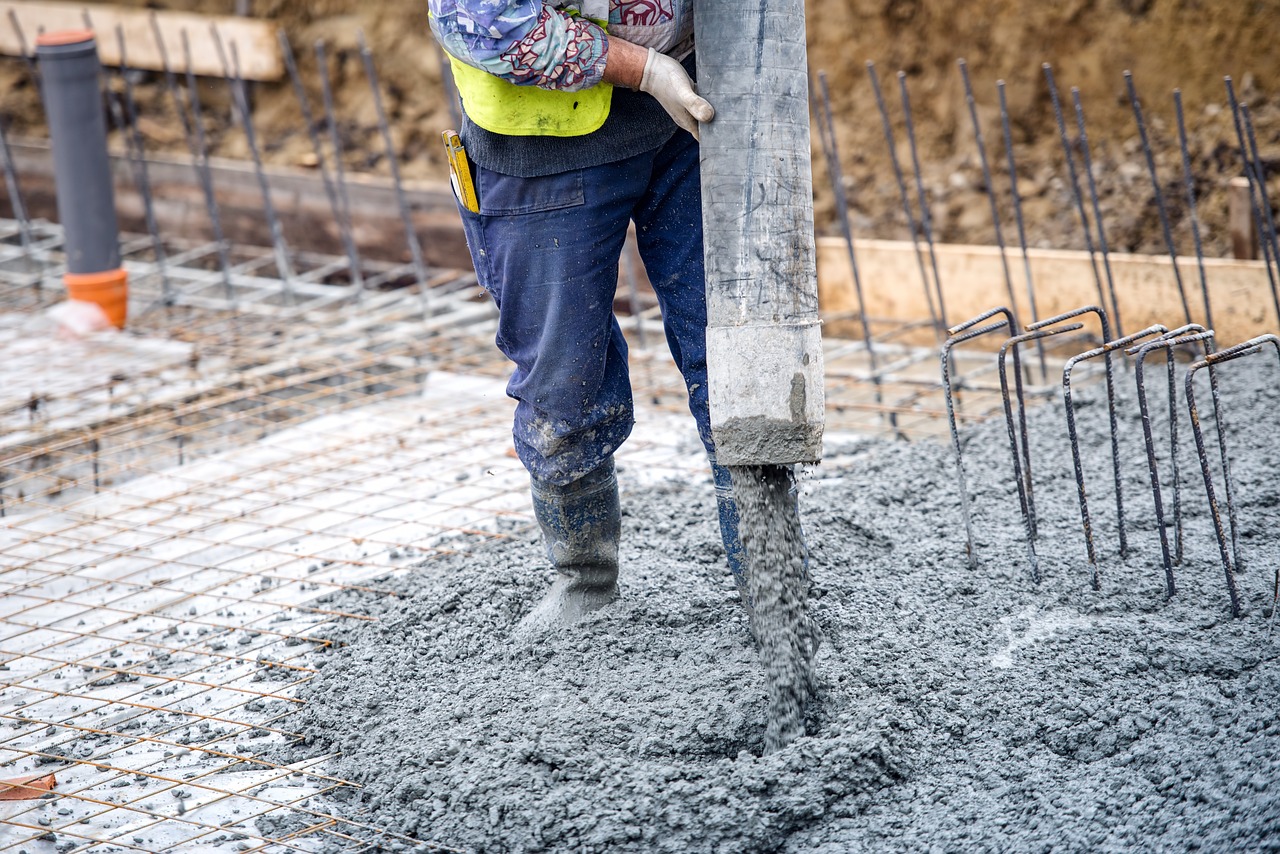
Cast-in-place (CIP) concrete is concrete mixed, transported, poured, and cured directly at the project site within temporary formwork. It is the most versatile concrete construction method, allowing virtually any structural shape to be formed. From footings and grade beams to shear walls, elevator cores, and elevated slabs, CIP concrete is a foundational element of building construction across every occupancy type.
Unlike precast concrete (which is manufactured off-site and delivered as finished elements), CIP construction is continuous and monolithic. Properly designed CIP concrete structures behave as unified systems with strong, rigid connections between columns, beams, walls, and slabs.
Foundations
CIP concrete is the near-universal choice for foundations. Spread footings, continuous wall footings, grade beams, and mat foundations are all cast in place because the geometry, bearing elevation, and reinforcing must adapt to actual soil conditions discovered during excavation. Pile caps and caissons are also CIP. The continuity of the concrete and reinforcing through these elements ensures reliable load transfer to the supporting soil or rock.
Walls
CIP concrete walls (both below-grade and above) serve structural and architectural purposes simultaneously. Basement walls resist lateral soil and hydrostatic pressure. Core walls in high-rise buildings provide the primary lateral resistance against wind and seismic forces. Tilt-up construction, a related method, casts walls on the slab and tilts them up into position with cranes: common in warehouse and industrial construction.
Wall formwork is a major cost driver. Standard plywood or metal form systems produce flat faces; architectural concrete requires high-quality form liners and careful release agent application to achieve the desired finish.
Slabs
CIP flat slabs and flat plates (column-supported slabs without beams) are common in parking structures, residential towers, and office buildings where open floor plans and minimal structural depth are priorities. Two-way slab systems distribute loads in both directions and are efficient for intermediate spans. Waffle slabs and pan joists reduce concrete volume for longer spans while maintaining two-way behavior.
Engineering Considerations
Concrete mix design is engineered to the application: compressive strength (f’c), workability, exposure class, and maximum aggregate size are all specified on the structural drawings. Reinforcing (both mild steel/rebar and prestressed tendons) is designed to control flexural and shear demand, crack widths, and long-term deflection.
Construction tolerances, formwork stripping schedules, and cold-weather or hot-weather concreting provisions are all part of the engineering and quality assurance process. We coordinate with the contractor to ensure concrete is placed, consolidated, and cured in a manner consistent with the design assumptions.
Ready to Talk Through Your Project?
Frontier Structural Engineering brings 20 years of commercial and residential design experience to projects across Colorado and California. Whether you're in schematic design or already in the field, we're available.
☎ Call 719 247-2928