CommercialCivil
PG&E Birds Landing Anchor Tower Foundation
August 1, 2024
Project Overview
Location: Birds Landing, Sacramento River Delta, California Client: kV Structures Inc. Owner: Pacific Gas and Electric (PG&E) Type: Civil / Geotechnical, Transmission Infrastructure
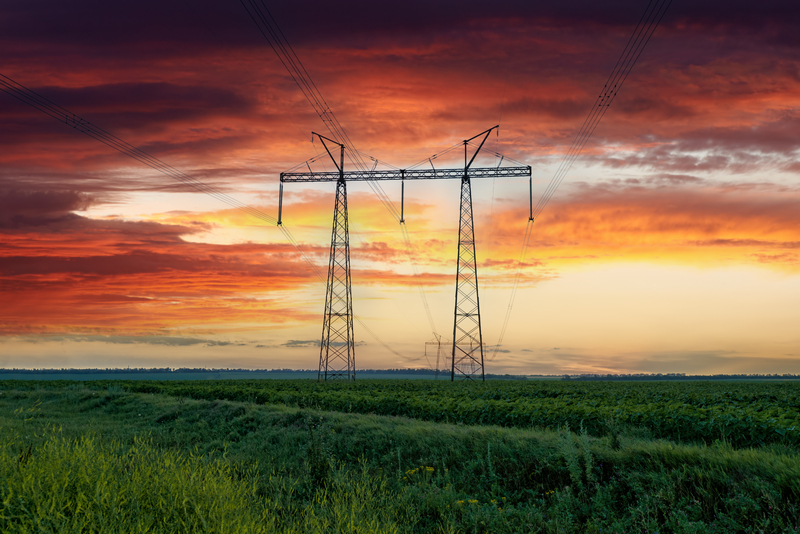
This project supported the construction of a high-voltage transmission tower foundation at the Sacramento River delta: one of the anchor points for a river-spanning transmission line crossing. The site presented a combination of challenges that made conventional excavation and forming methods impractical: soft organic delta soils with a high groundwater table, proximity to the river, and the structural demands of a permanent transmission tower foundation.
The Challenge: Delta Swamp Soils and Dewatering
The Sacramento River delta is characterized by soft, organic, saturated soils: peat, loose alluvial deposits, and high-plasticity clay typical of a low-lying delta environment. These soils have low bearing capacity, high compressibility, and essentially no stand-up time when excavated: an open cut in these conditions would slough and fill with groundwater almost immediately.
Constructing a tower foundation in this environment required a method of holding back the surrounding soil and water long enough for the foundation to be formed and poured: without the use of traditional steel sheet piling or dewatering wells, which were impractical given the site access constraints and the timeline.
The Solution: CLSM Slurry Wall
Frontier designed a Controlled Low Strength Material (CLSM) slurry wall: a 3-foot wide by 8-foot tall perimeter wall constructed using a slurry trench method. CLSM is a self-compacting, low-strength concrete-like material that flows like a liquid, fills irregular voids, and then sets to a stable, low-permeability mass. In slurry wall construction, a trench is excavated under bentonite slurry (which holds the trench walls open against the groundwater pressure), and the CLSM is then tremied into the trench, displacing the bentonite and curing in place.
The resulting CLSM perimeter wall served two simultaneous functions:
Temporary Retaining Wall: The wall held back the surrounding saturated soil and maintained the excavation against the hydrostatic pressure of the groundwater, allowing the work area to be dewatered and kept open for foundation forming and concrete placement.
Infrastructure Foundation Form: Because CLSM sets to a stable, uniform material, the inner face of the slurry wall also served as the form surface for the tower foundation concrete: eliminating the need for separate forming in the cramped, soft-soil excavation.
Design Considerations
The CLSM wall design required analysis of the hydrostatic and lateral earth pressures from the surrounding delta soils, confirmation that the CLSM mix would achieve sufficient strength to act as a retaining element, and coordination with the construction sequence to ensure the wall was poured and cured before excavation of the interior began. The design also addressed the interface between the temporary CLSM wall and the permanent tower foundation to ensure load transfer was clean and the foundation geometry met the transmission tower’s anchorage requirements.
This project demonstrates Frontier’s capability to provide practical, constructible solutions in challenging civil and geotechnical environments: the kind of creative problem-solving that keeps complex infrastructure projects on schedule.
Ready to Talk Through Your Project?
Frontier Structural Engineering brings 20 years of commercial and residential design experience to projects across Colorado and California. Whether you're in schematic design or already in the field, we're available.
☎ Call 719 247-2928